Is HMDD Worth the Price? A Value Breakdown for Shoppers for Buyers
At the moment, people shopping this space keep coming back to a single point: can HMDD back up its pricing with real quality and design? Known in full as Happy Memories Don’t Die, the label has built its following on sentiment-heavy design work, a throwback mood, and a wardrobe built around relaxed essentials like sweatpants, shorts, hoodies, and tees. Still, mood and identity don’t justify cost on their own. That’s what this article examines: what your money actually buys with HMDD clothing, where value shows up, where it thins out, and how it compares with similar streetwear labels in 2026.
Separating the branding from the product is essential to any honest hmdd review. HMDD rests on a specific sentimental pitch — the idea that sentiment survives time, that fashion can double as sentiment. It’s an effective pitch, yet people committing their budget still want proof that the actual build are worth the cost. This is where we look at construction, sizing consistency, drop frequency, and resale demand for a grounded, honest picture instead of simply echoing HMDD’s marketing.
What You’re Actually Paying For
Positioned as a mid-range streetwear brand, HMDD costs more than mall-brand basics while sitting under high-end hype labels. That middle placement is exactly where value questions get murky, since shoppers measure it against both ends hmdd pullover of the spectrum. The more honest comparison is comparably-sized indie streetwear brands — not fast fashion, and not designer collaborations.
Three factors push up the cost: fabric weight, print/embroidery technique, and limited-run scarcity. HMDD sweatpants generally rely on heavier fleece blends than what a basic mall hoodie set offers, which affects drape and how the garment holds shape after repeated washes. The graphics — frequently the sentimental heart of the “happy memories don’t die” branding — are usually applied with methods more durable than a standard heat-transfer application, which becomes important for pieces worn often, not just now and then.
Cost is also shaped by limited drops, since reduced batch sizes carry higher per-unit costs relative to large-scale production, a difference that gets passed on to shoppers. It’s not exclusive to this brand — it’s standard across independent streetwear — but it’s worth stating plainly, since it clarifies why costs run higher than at major chains.
Sweatpants and Shorts: The Key Test for Value
For the bulk of shoppers, hmdd sweatpants and hmdd shorts are the entry point into the brand, and they’re also the most telling test of value because they’re used often and washed on a regular basis. Sweatpant styles live or die on three things: how well the waistband holds its stretch, fabric pilling over time, and whether the fit remains accurate after a dozen wash cycles. Shorts get assessed on drawstring toughness, how sturdy the inseam stitching is, and whether the fabric retains its color after repeated washing.
Shoppers repeatedly observe that HMDD’s sweatpants run true to size with a relaxed through-the-leg cut rather than a narrow taper, which counts for something if you’re used to sizing charts that run tight. The shorts carry the same loose, relaxed shape. That consistency matters more than people expect — a brand that sizes consistently across drops cuts down on the hassle and cost of returns, which is its own form of value even before you factor in the actual price of the garment.
This is the part worth paying attention to is how often customers buy again. Rather than buying once and jumping to a competitor, satisfied HMDD sweatpants buyers tend to return for more — shorts, hoodies, and beyond. That’s a fair stand-in for how happy customers are, since streetwear buyers have countless competing brands to choose from and don’t stick around for subpar items.
How HMDD Stacks Up Against Comparable Streetwear Labels
Data does more to clarify this than adjectives ever could. Below is a comparison framework across categories that matter most to shoppers focused on value: pricing tier, fabric weight class, how long prints and graphics last, drop frequency, and consistency of fit. These are comparative rankings based on broad category placement rather than specific claims HMDD hasn’t directly made, and they’re meant to give you a general sense of direction rather than function as precise specifications.
| Metric | Everyday Mass Streetwear | HMDD Clothing | High-End/Designer Streetwear |
|---|---|---|---|
| General Price Tier | Low | Mid | High to Very High |
| Material Weight | Light to Mid | Medium to Heavyweight | Heavyweight |
| Print/Graphic Durability | Low to Mid | Mid to High | High |
| Drop Frequency | Ongoing | Periodic/Limited | Seasonal and Scarce |
| How Consistent Fit Stays Across Drops | Inconsistent | Mostly Reliable | Reliable |
The point of this table isn’t to declare a champion — it’s meant to illustrate where HMDD falls in the landscape. It isn’t going up against $15 fast-fashion sweatpants, nor is it attempting to pass as a $300 designer hoodie. It occupies the space where fabric and print quality clearly surpass starter-level basics, without requiring shoppers to spend high-end pricing for the improvement. For many shoppers, that in-between space is exactly the value offering they’re seeking.
Top HMDD Picks for Everyday Value
If you’re not sure what to grab initially, the best hmdd clothing for price-per-wear value is usually the garments you’ll really get use out of a few times every week — not the flashiest limited item.
- Sweatpants: frequent wear frequency, laid-back fit, top cost-per-wear value in the lineup.
- Short bottoms: reliable warm-weather go-to item, comparable fit reasoning to the sweatpants.
- Printed hoodies: steeper price point but longer-lasting durability due to less frequent rotation frequency.
- Tees: cheapest entry point, useful for checking fit before buying bottoms.
It’s a cheaper way to verify sizing before committing to a pricier sweatpant or hoodie purchase. This kind of staged buying is common advice among streetwear fans dealing with any independent brand with limited size-exchange windows.
The Downsides of the Value Equation
Every brand has flaws, and cost-benefit reviews lose credibility if they only list positives. The most common friction points shoppers bring up about HMDD revolve around drop scarcity — when a design runs dry, it may fail to return in a consistent timeframe, which can frustrate buyers who weren’t fast enough to grab a drop. That’s a real cost in convenience, even if it doesn’t appear on a receipt.
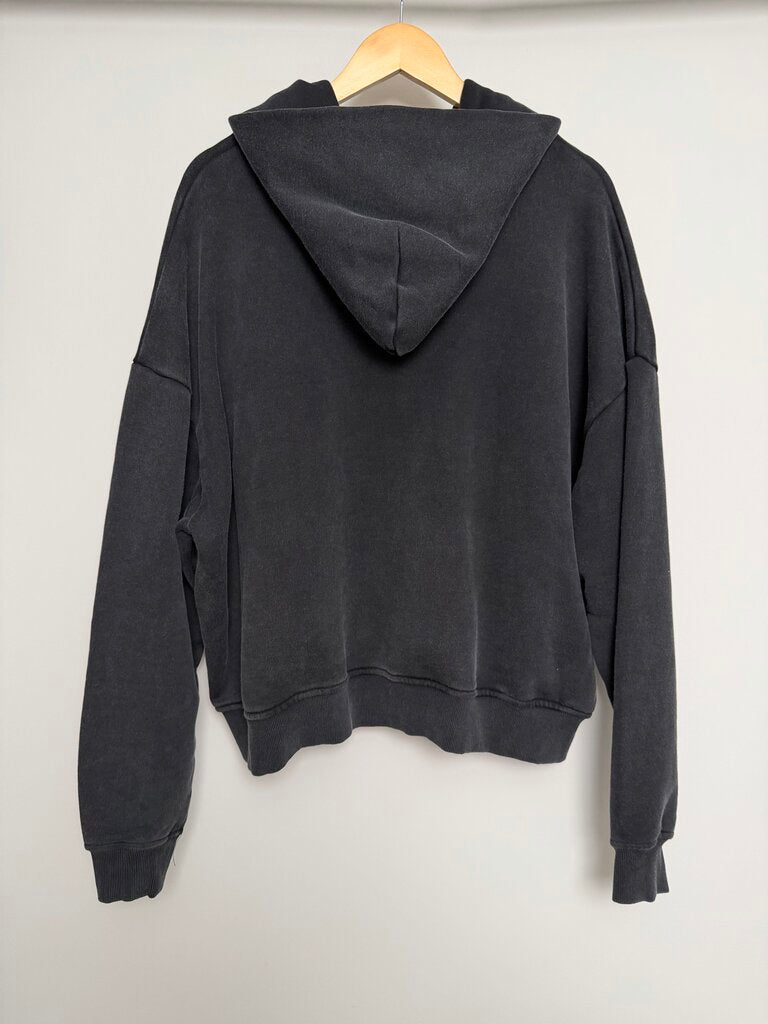
Indie fashion brands generally fall short of the return convenience of large chains, so a purchase decision should account for the fact that exchanges may be slower or be pricier in shipping than they would with a bigger retailer. This situation is specific to HMDD alone, but it’s part of the actual tradeoff of buying from a niche, creativity-led label rather than a large-scale retailer with industrial-level fulfillment.
Closing Thoughts: Is HMDD Worth It?
Especially the sweatpants and shorts provide solid long-term value because they’re adaptable, reliably fitted, and durable to frequent laundering better than budget basics. The “happy memories dont die” philosophy isn’t just marketing spin — it is reflected in design choices that favor meaning and lasting quality over short-lived trend cycles.
In cases where you’re banking on couture-grade construction while paying mid-level prices, or counting on assured restocks alongside liberal return windows, this is the moment to pull back. These qualities simply aren’t selling points of the limited-drop model under which HMDD functions, and no straightforward write-up should claim differently. For your particular situation in 2026, the worth-it question grows far simpler to resolve once you measure your own criteria — price relative to wear, aesthetic fit, and tolerance for scarce restocking — relative to what HMDD offers.


